Federal vs. States’ Rights in the AI Era
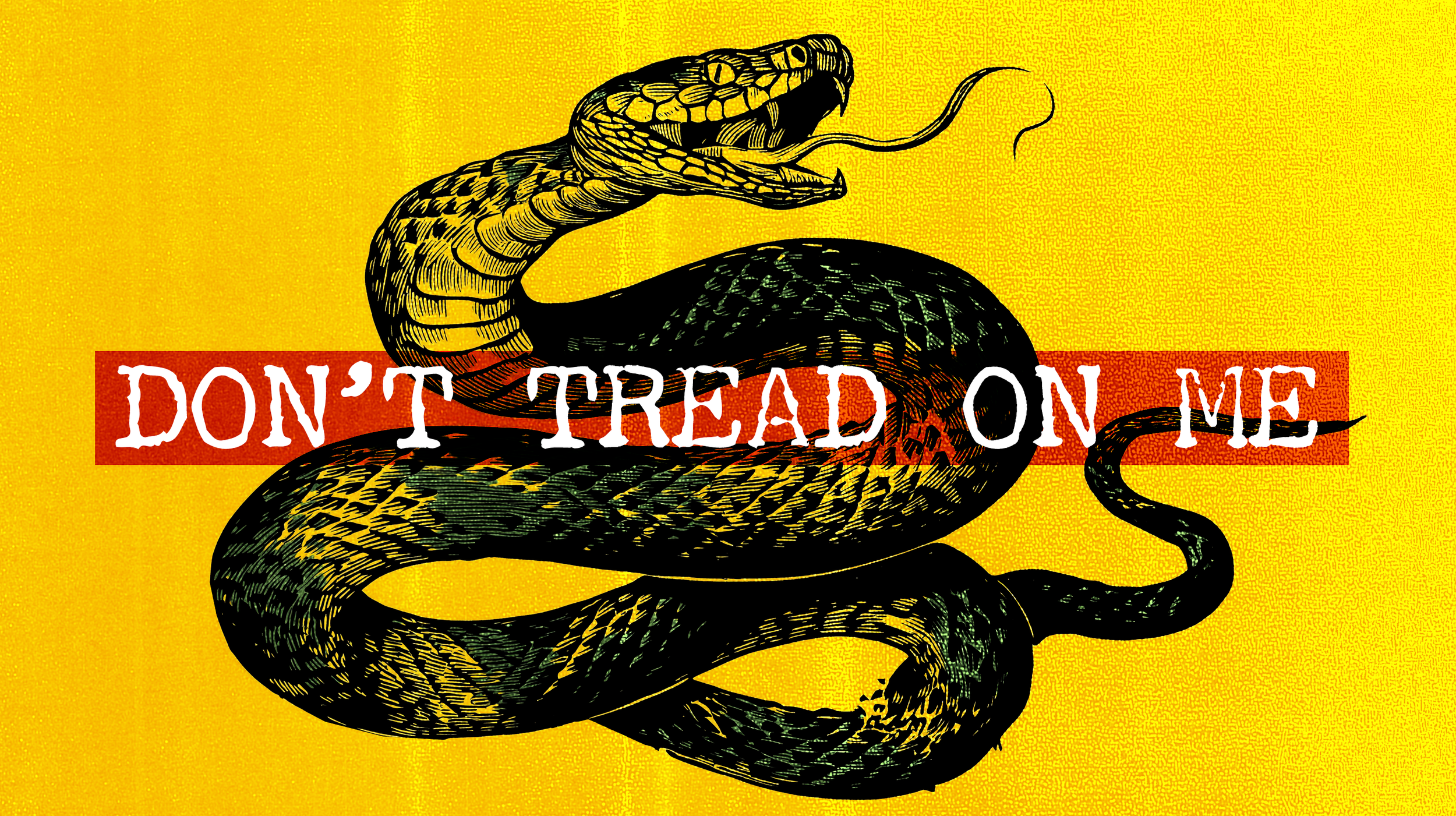
Midjourney: Curt Doty
What Trump’s Executive Order Means for Regulation, Safety, and You
On December 11, 2025, President Donald Trump signed a sweeping executive order aimed at preempting state artificial intelligence (AI) laws and creating a national AI framework. The administration framed it as a way to avoid a patchwork of 50 different regulatory systems that, it argues, could slow innovation and weaken U.S. competitiveness—especially against global rivals like China. But the move ignited sharp debate over federal overreach, state sovereignty, and real-world protections for people and families.
The Core of the Order
Under the new directive, federal agencies are instructed to identify and challenge state AI regulations they deem “burdensome,” and the Justice Department will form an AI Litigation Task Force to contest conflicting laws in court. The order also includes threats to withhold federal grants, like broadband funding, from states with certain AI rules—an unusually aggressive tool for the executive branch.
Supporters of the order say a single national standard will help U.S. AI companies scale without navigating 50 regulatory regimes. Critics call it a gift to Silicon Valley and Big Tech, arguing it undermines democratic self-government and weakens protections that states were crafting to address real harms.
State AI Laws Already on the Books
Even before this order, states were active in AI policy—especially in areas where federal action has lagged.
Examples of state AI regulation include:
California: One of the most ambitious states, with laws requiring AI safety disclosures, incident reporting, and protections against catastrophic AI risks.
Colorado: Passed the Colorado AI Act, imposing safeguards against discrimination and requiring accountability from AI systems deployed in key sectors like employment, housing, and finance.
Utah: Early policies around AI governance and transparency took effect in 2024–25. I
Tennessee: The ELVIS Act protects personal likeness and voice from unauthorized AI replication.
Across the country: Many states have enacted laws criminalizing AI-generated child sexual abuse material (CSAM) and addressing political deepfakes, with dozens having these protections already in force.
These laws reflect distinct state priorities: consumer safety, discrimination prevention, identity protection, and deepfake accountability. Federal efforts to nullify them raise serious questions about where governance should live and which institutions best protect people.
Where Federalism, Children’s Safety, and Social Media Fit In
When we think about government’s role—especially in protecting children and vulnerable people—it’s striking that social media platforms have never been meaningfully regulated at the federal level even as they shape our civic life, influence youth behavior, and enable viral harms. In contrast, states were beginning to explore targeted AI guardrails before the executive order asked them to stand down.
This tension cuts to the heart of a broader debate:
Federal overreach? Does the White House have constitutional authority to broadly override state technology laws that don’t directly conflict with federal statutes?
State sovereignty? Should local innovators, lawmakers, and communities be free to define protections suited to their citizens?
Public safety vs. innovation? How do we balance rapid technological growth with the need to protect children, privacy, jobs, and democratic processes?
These questions are unresolved—but the executive order ensures they’ll be fought in court and legislatures nationwide.
What Should We Do as Consumers?
In a rapidly evolving AI landscape with uncertain regulation:
Be vigilant about privacy and data sharing. Ask how apps and services use AI in decision-making about you and your family. Read all Terms and Conditions.
Learn your state’s laws. Know whether your state has protections against deepfakes, discrimination, or AI misuse—and support sensible legislation. Write your Governor!
Advocate for clear federal standards. Uniformity shouldn’t mean deregulation. We need federal rules that protect safety and rights while enabling responsible innovation.
Hold platforms accountable. Social media companies and AI platforms must prioritize transparent practices and safety safeguards—regardless of government action.
While the internet is ablaze with the Disney/OpenAI deal, the more important battle over AI governance is now a defining test of American federalism, safety policy, and technological leadership. Centralized rules might help some industries scale, but strong, rights-oriented governance—at state or federal levels—is essential to protect children, privacy, and civic health in the age of AI.
Sources:
https://stackcyber.com/posts/ai-state-laws?utm_source=chatgpt.com
About the Author
Curt Doty is a former studio executive and award-winning creative director with deep leadership experience across the entertainment and branding industries. Ten years in Television. Ten Years in Movies.
As the founder of CurtDoty.co, a creative consultancy, Curt has led integrated marketing, multi-channel storytelling, branding, identity, and user experience initiatives for a diverse roster of clients.
Over the past 15 years, Curt has leaned into innovation—leading R&D projects at Apple, Toshiba, and Microsoft, and pioneering interactive content.
Today, Curt’s work also explores the intersection of AI and entertainment. A sought-after fractional leader (CCO, CMO), speaker, and AI educator, he focuses on demystifying AI for creatives and executives alike.
Curt is a sought after public speaker having been featured at Mobile Growth Association, Mobile World Congress, App Growth Summit, Promax, CES, CTIA, NAB, NATPE, MMA Global, New Mexico Angels, PRSA, EntrepeneursRx, Digital Hollywood, SHRM, Streaming Media NYC, and Davos Worldwide. Download his speaker presskit here.
He also hosts RealmIQ: Sessions, a podcast spotlighting thought leaders in tech, content, and design—continuing his role as a visionary voice in the future of creativity.