

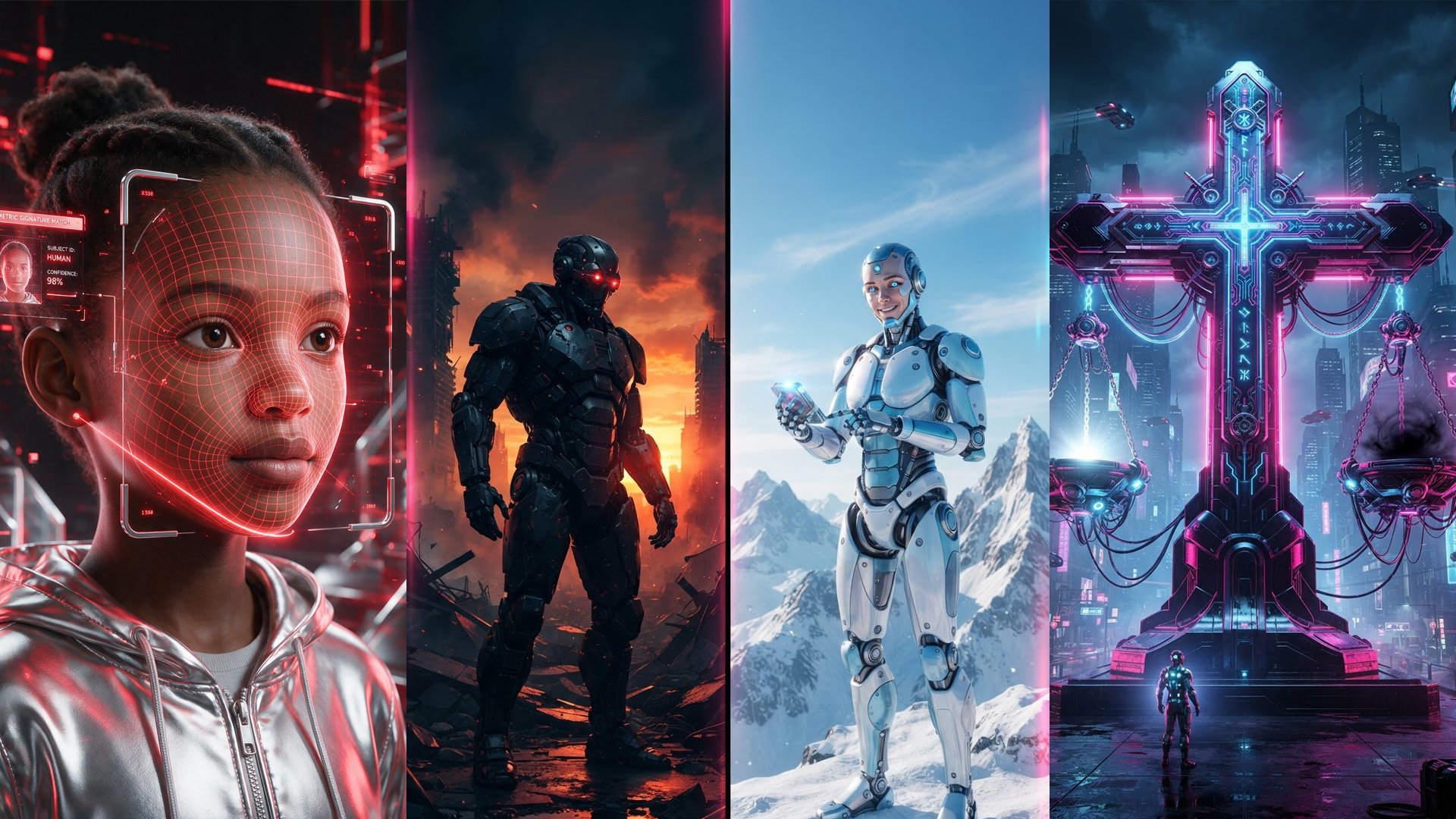
AI Without Ethics Is Just Faster Stupidity
Artificial intelligence doesn't have an ethics problem—people do. As AI races into every corner of our lives, from classrooms and hospitals to social media and the workplace, the conversation has become fixated on what the technology can do instead of what it should do.
They Knew. They Amplified. Now They’re Liable.
For nearly two decades, social media giants have operated like digital gods—untouchable, unaccountable, and unbelievably profitable. They built empires on engagement, monetized attention like oil, and hid behind a legal shield that was never designed for what they’ve become.
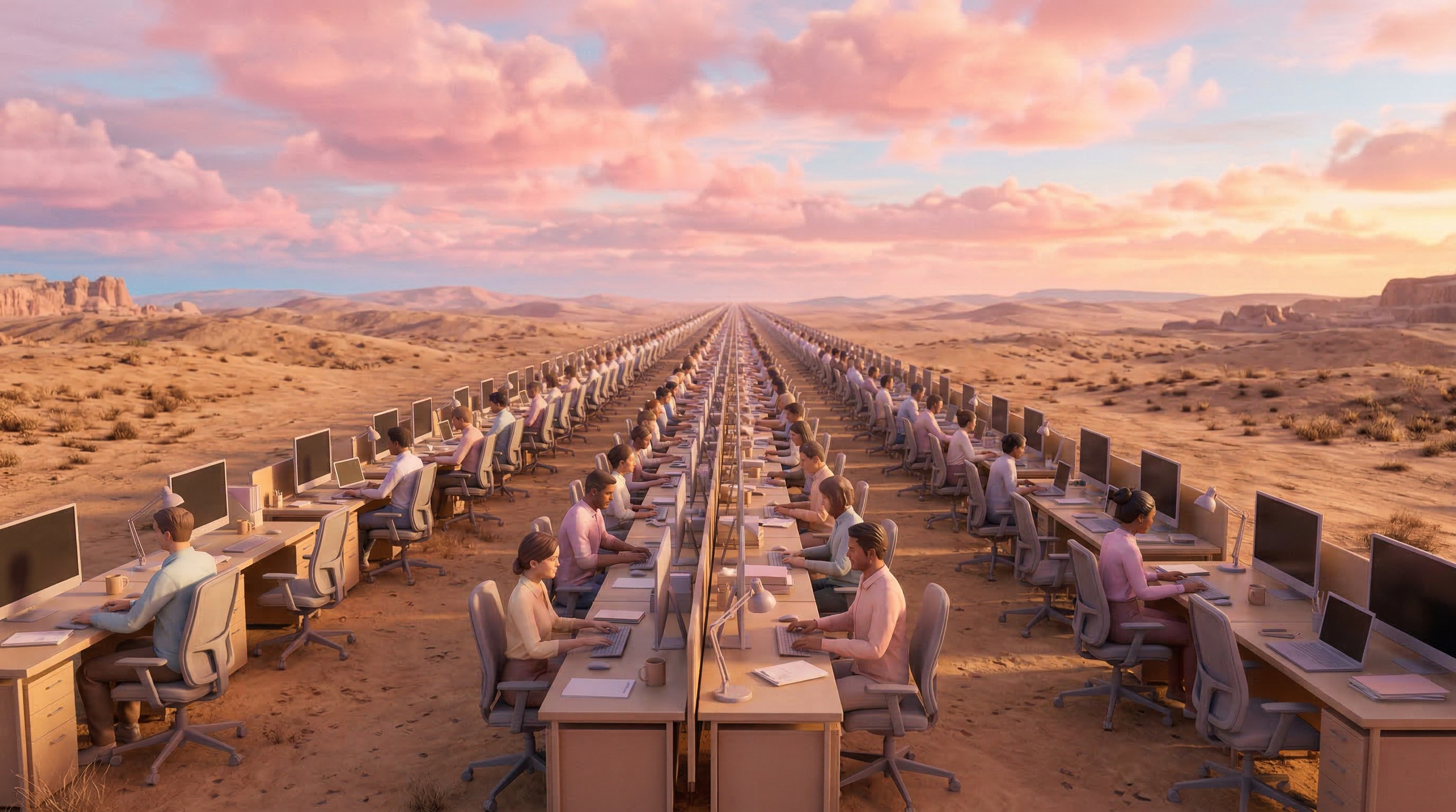
The Endless Battle
AI is already embedded in the workplace, whether leadership likes it or not. Employees are using it every day, often without permission, without policy, and without a clue about the risks. That’s the dirty little secret no one wants to admit. We’ve got companies pretending they’re “evaluating AI strategy” while their teams are uploading sensitive data into public tools. That’s not strategy. That’s exposure.
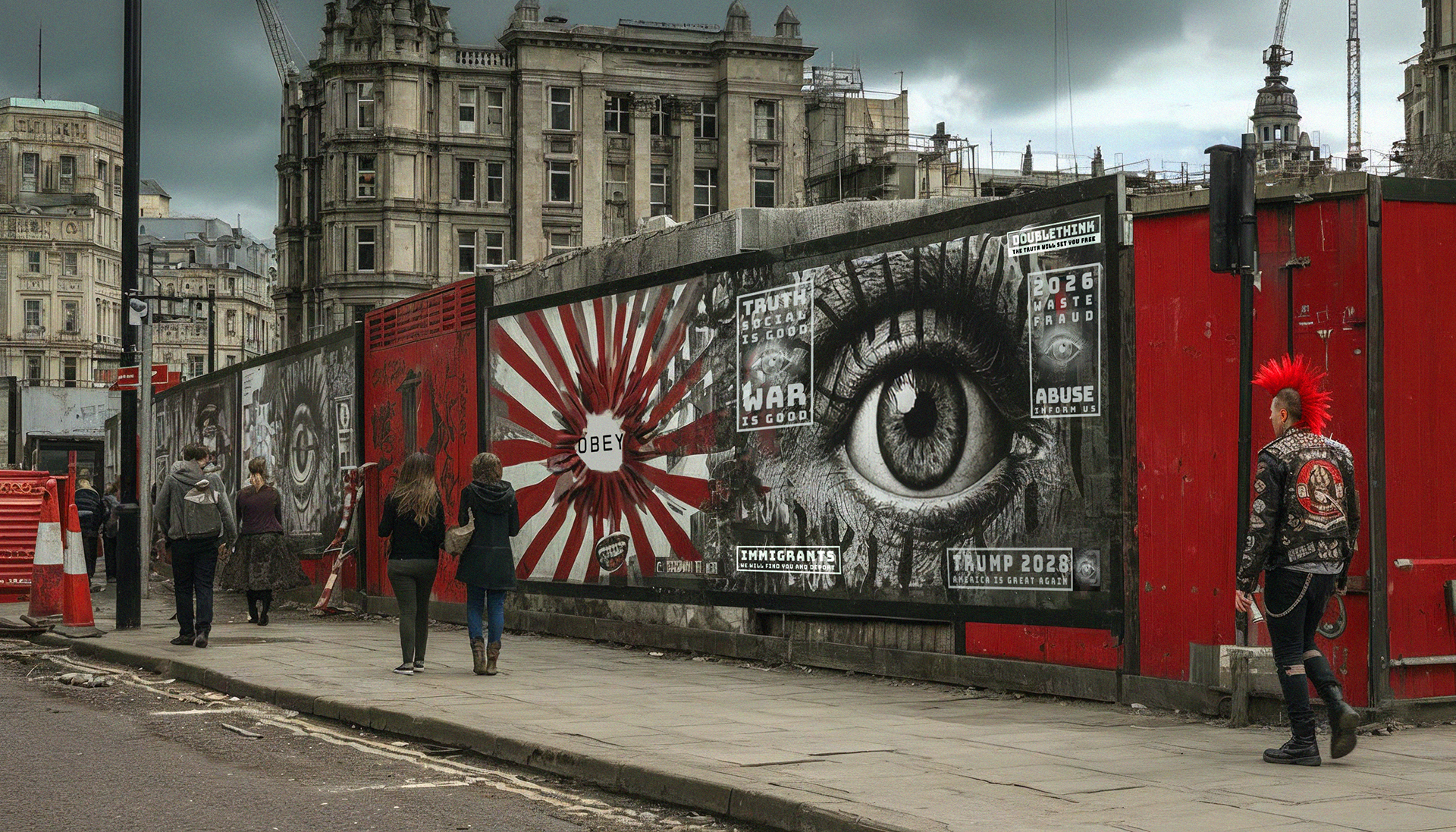
1984 Wasn’t a Warning. It Was a Blueprint.
In 1949, George Orwell published 1984, a dystopian novel about a society ruled by surveillance, propaganda, and the manipulation of truth. At the time, it was seen as a cautionary tale about totalitarian regimes. In 2026, it reads less like fiction and more like a user manual.
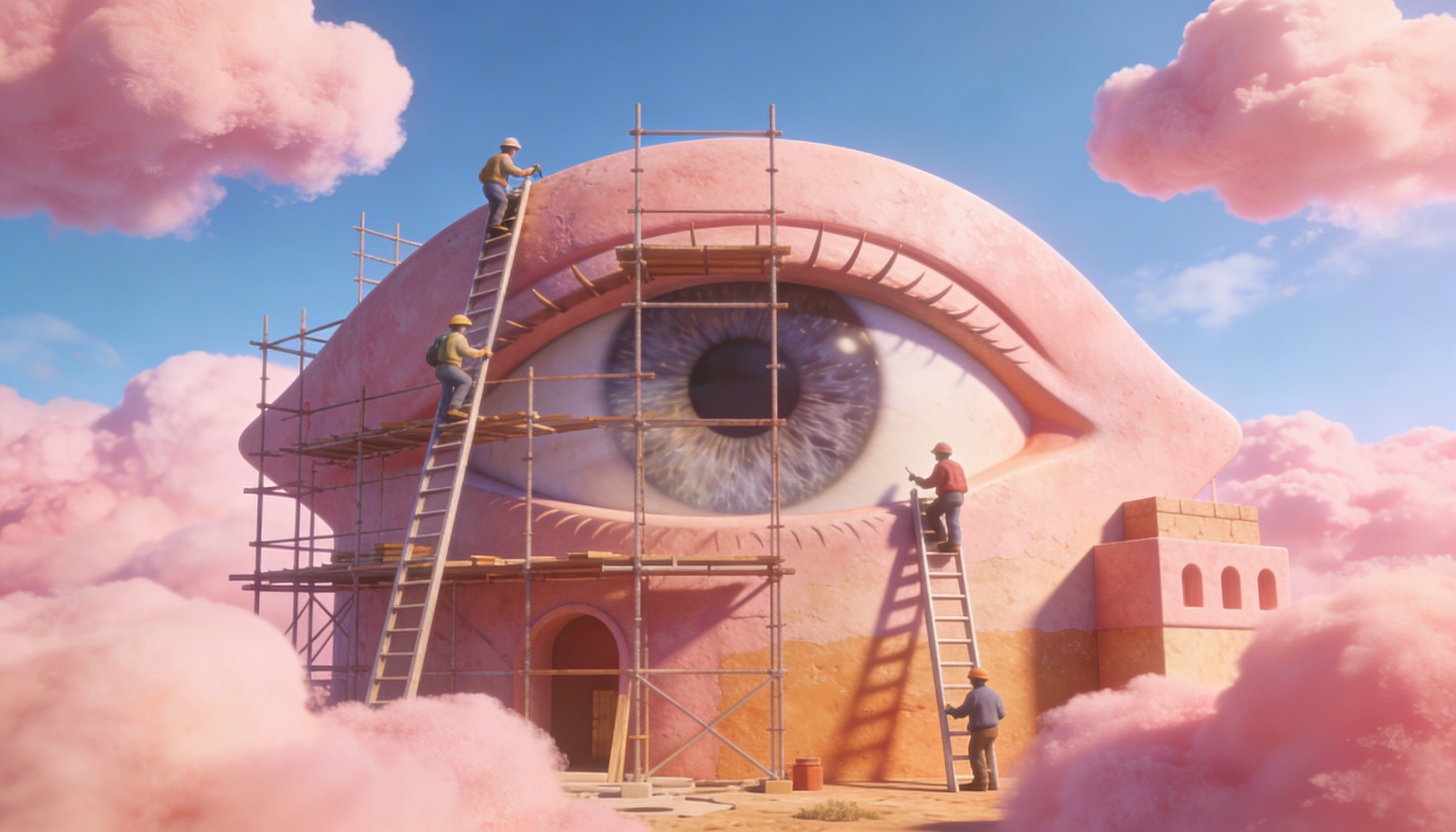
In the Blink of an EYE
The people closest to frontier AI aren’t talking about incremental upgrades anymore. They’re describing compounding capability. Coding models that build apps, test them, refine them. Systems that don’t just execute prompts — they interpret intent.
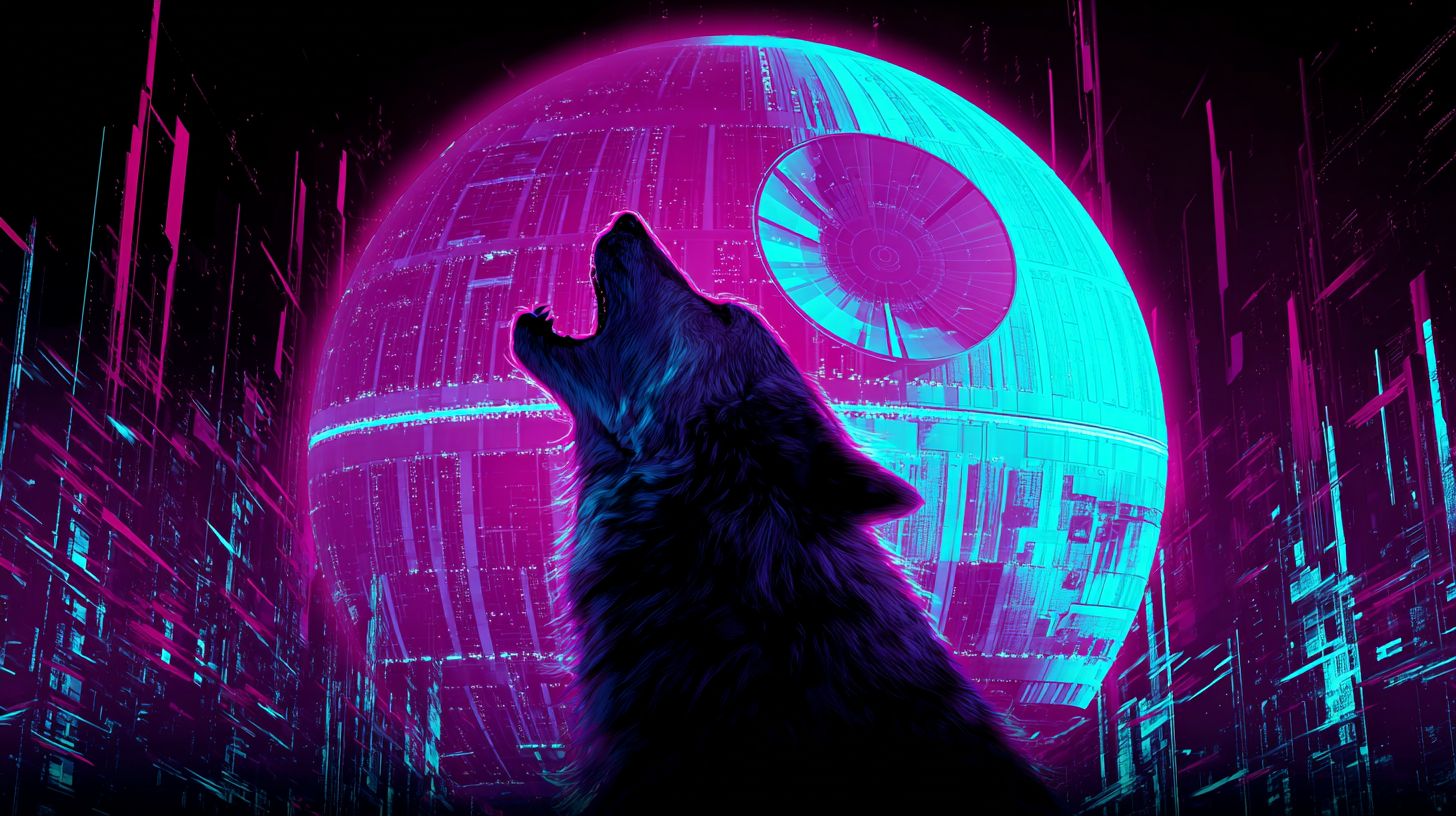
The Lone Wolf and the Death Star
When reports surfaced that Anthropic’s Claude was allegedly deployed in a Defense Department operation tied to the capture of Nicolás Maduro, Amodei didn’t hedge. He didn’t issue a carefully lawyered shrug. He said the Pentagon violated the spirit—if not the letter—of Anthropic’s contract. And he reiterated what he’s long argued: AI should not be used for lethal operations or broad domestic surveillance.

AI Films: The Next Generation
As the art and business of filmmaking continue to evolve at a breathtaking pace, one force stands out as both disruptive and generative: artificial intelligence. From Hollywood studios to independent film schools, creatives across the industry are asking a fundamental question: What will the future of filmmaking look like when AI becomes commonplace?
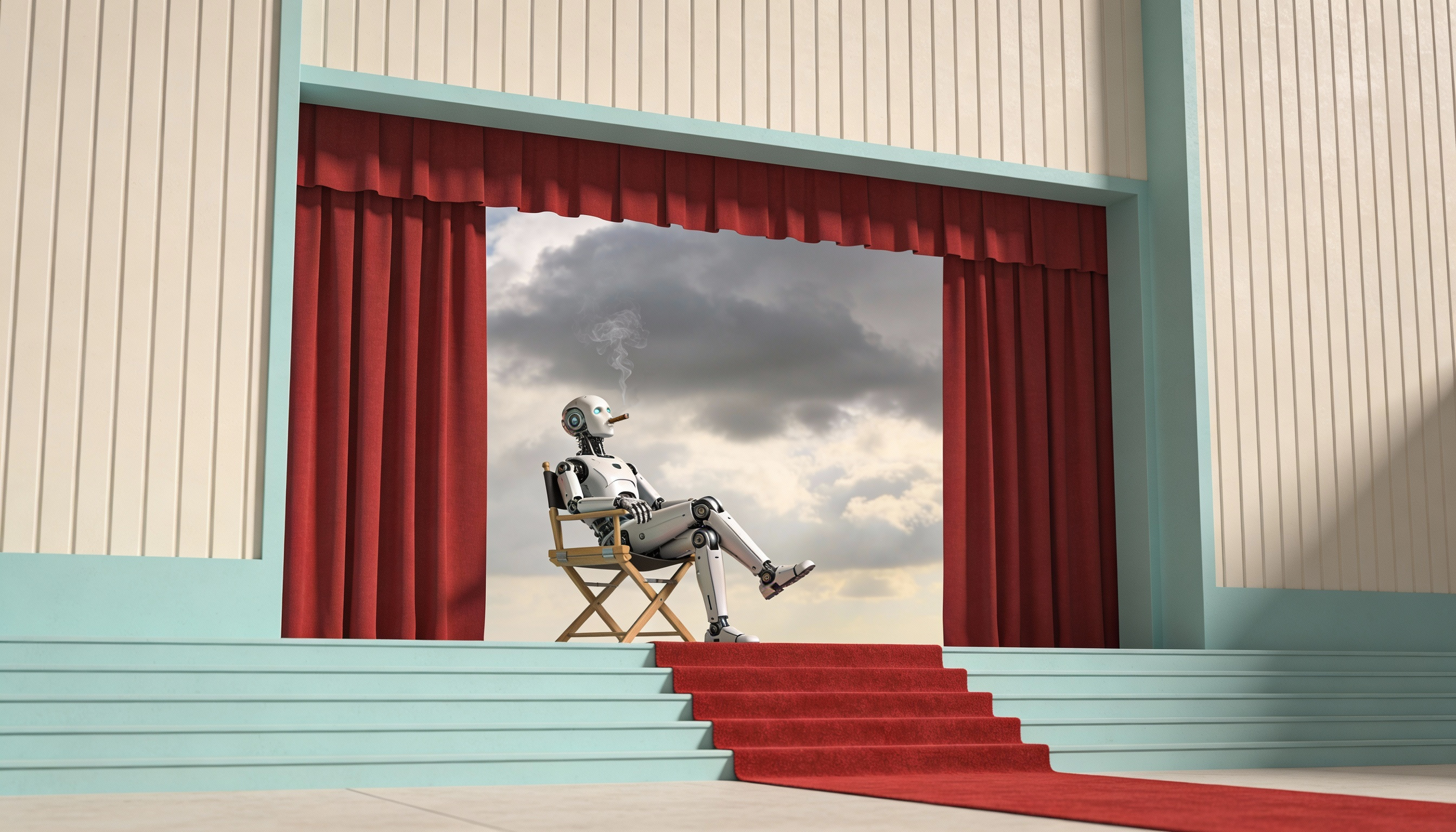
Hollywood Just Greenlit AI - Now What?
“With regard to Generative Artificial Intelligence and other digital tools used in the making of the film, the tools neither help nor harm the chances of achieving a nomination. The Academy and each branch will judge the achievement, taking into account the degree to which a human was at the heart of the creative authorship when choosing which movie to award.”
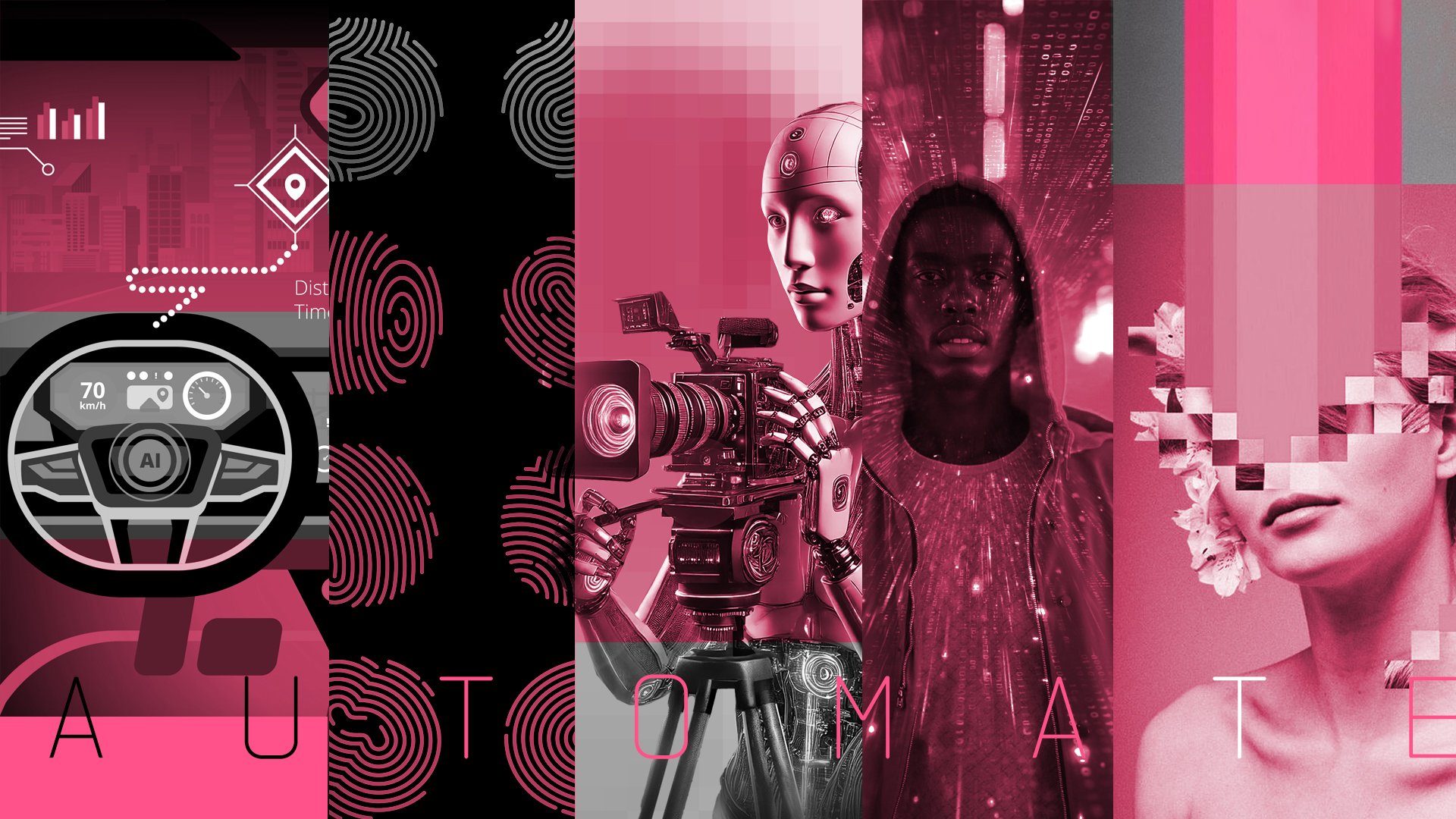
The Automated Future: The Myth We Keep Buying
For the last three years, the hype around AI has been centered on “automation.” Press releases, investor decks, and conference keynotes all chanting the same utopian mantra: “Automate everything.” Reality check: AI didn’t build a smart home, a self-driving car, or a fully automated Hollywood. It enhanced, augmented, and occasionally optimized—but let’s drop the fantasy that it replaced anything wholesale. Especially humans.

These Digital Humans Are Stealing the Spotlight - and Your Clicks
AI video agents—those synthetic-yet-strangely-lifelike digital faces that pop up to help you online—are no longer stiff, stilted CGI mascots. They’re fluid. Friendly. Fluent in 60+ languages. And frankly, they're starting to sound more human than half the customer support reps I’ve had to deal with.
Curt’s Top 10 Predictions for 2026
2025 shaped up to be a year of seismic change, promising innovation, disruption, and new opportunities in equal measure. Many of my predictions were realized, mainly around the Rise of GEO, AI Mergers Boomed (Manus, for example), YouTube’s viewing dominance and end of the streaming wars. AGI did NOT happen, so this year, mine is not completely about AI, but mixed into everything media, technology and politics.
Federal vs. States’ Rights in the AI Era
President Donald Trump signed a sweeping executive order aimed at preempting state artificial intelligence (AI) laws and creating a national AI framework. The administration framed it as a way to avoid a patchwork of 50 different regulatory systems that, it argues, could slow innovation and weaken U.S. competitiveness—especially against global rivals like China. But the move ignited sharp debate over federal overreach, state sovereignty, and real-world protections for people and families.
The Pendulum Swings: Brand Marketing in a World of Digital Decline
The latest McKinsey & Company “State of Marketing Europe 2026” — based on a survey of 500 senior marketing leaders across France, Germany, Italy, Spain, and the UK — signals a clear, structural shift. Branding is back at the top.

The AI Wasteland
Corporate America has found its perfect scapegoat. "AI is transforming the workforce," they say, while quietly eliminating jobs without backfilling, retraining, or replacing. It’s not innovation—it’s downsizing in disguise.

Why Is Hollywood in Panic Mode?
The latest panic centers on AI actress "Tilly"—a photorealistic, emotionally responsive, deep-learning-driven performer some fear could threaten the careers of real actors. But is she really a threat? Or is Hollywood just spinning its wheels in another hype cycle? Let’s look at the facts.

Can Silicon Valley Fix Hollywood?
Imagine this: Netflix, the streaming giant, acquires Warner Bros. That sounds like hyperbole. But in an age of consolidation, vertical integration, and arms‑race content spending, maybe it’s not just inevitable - maybe it’s smart. Before you jump to “media monopoly bad,” hear me out.

From Prompt to Planet: Mapping AI’s Real Impact
There’s a lot of noise in the AI world, but let’s cut through it: not all AI is created equal, and not all of it is revolutionary. In fact, most of it isn’t.
Let’s start with the numbers. The global AI market in 2025 is expected to hit somewhere between $244 billion and $757 billion (Statista, Forbes), depending on which crystal ball you're staring into. Generative AI—the darling of boardrooms and brainstorming sessions—is pegged at $38 to $63 billion. That’s just 5–10% of the pie. So despite all the headlines and hand-wringing, GenAI is still the sideshow, not the main event.

Is AI Burning the World?
Green AI: Why New Mexico Might Just Save the Future
Let’s set the record straight: AI isn’t the planet-scorching Skynet some headlines make it out to be. Yes, AI needs energy. A lot of it. But so does crypto, Netflix, and your always-on Ring doorbell.
The question isn’t whether AI uses energy. The real question is how we power it. And here’s where New Mexico enters the chat.

SEO Is Dead. Long Live GEO.
Let’s cut through the keyword-stuffed fog: SEO is in freefall, and the data backs it up. Web traffic is down. Google click-throughs are tanking. Users aren’t clicking search links anymore—they’re getting what they need directly from AI.

When the Ladder Breaks
A recent Quartz piece lays out the stark data: entry‑level job postings are down 35% since 2023, and many new grads can’t find full‑time work aligned with their degrees. Even more alarming: nearly half say they don’t feel ready even to apply. Meanwhile, AI is creeping into what used to be safe entry jobs — paralegal work, tax prep, other routine tasks — shrinking the very foundation of the ladder.